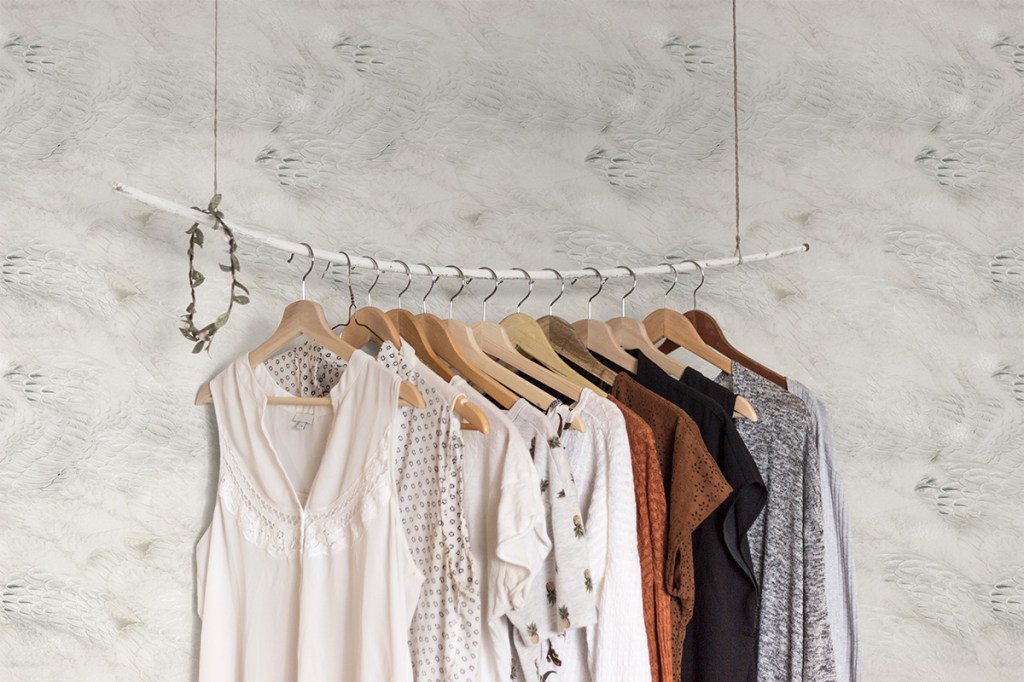
Making your own clothes is a daunting task for most, with way too many complicated steps. The truth is, it isn’t as hard as it seems. With a few hours of practice and creativity, anyone can have their dream wardrobe that is fit for them, more cost effective, and better for the environment. The following is the absolute simplest steps to make your own clothing.
Step 1: Brainstorm
You do not have to be good at drawing to sketch a few ideas of what type of clothing you want to make; A custom dress, shirt, skirt, pants, or shorts. The easiest things to start out with are tube tops, simple skirts, and strapless dresses. Using a stretchy fabric will omit the need for zippers and buttons, which can be learned after you gain more confidence in your sewing skills.
Step 2: Gather Your Materials
Contrary to popular belief, making your own clothing does not need to be expensive. Of course, a sewing machine will make things much quicker, and if it seems like a necessity, one can be bought second-hand or borrowed from a friend to learn on. However, using a sewing machine also involves learning how to use a sewing machine, which is helpful and recommended if you are planning on making lots of clothing for the rest of your life, but not necessary. All you need is a needle and thread that matches your fabric for your stitching purposes. Other materials are scissors, pins, and fabric. Fabric can also be seen as an expensive purchase, but you can use the fabric from clothing you don’t wear anymore or thrift fabric from clothing or bedding sections in thrift stores; Many fabric stores also have very discounted fabric sections that you can look through. The good thing about choosing your own fabric is you can use a higher quality fabric for less. Five things are all you need for your dream wardrobe, needle, thread, scissors, pins, and fabric.
Step 3: Cut Out Your Pieces
If it makes you feel more comfortable, you can first cut out your fabric pieces on cheaper fabric that can be altered, usually muslin, or even on paper to create pattern pieces. If you don’t want to do that, you can use clothing you already have that you know fits you well for your pattern and trace around it on your fabric with chalk or a fabric marker; Make sure the piece of reference clothing is similar material to what you are using, and you are leaving room for seam-allowance. Once all your pieces are cut out, and you are sure it is a good fit, pin everything together, with the nice sides together so you can see the inside of the garment.
Step 4: Sew
This part can be intimidating but the good news is no one is watching, judging, or grading you on your sewing skills and no stitch is permanent, so you can’t mess up. If you want to test the fit first, sew the pieces together with big stitches that are easy to remove (this is called a basting stitch), this way you can make sure the fit is perfect before spending lots of time on the final stitches only to have to start over. Once the fit is perfect, sew the sides together with close, small stitches. Make sure you are starting and finishing your ends with some extra stitches to keep the garment secure. You can leave the seams unfinished if you don’t mind, but to make the clothing stronger and give it a more finished look, there are many different ways to finish seams that can be found online. Last, sew the hem on the open edges as wide as you want, typically about half an inch to a quarter of an inch. Flip your garment right side out to reveal your masterpiece.
Step 5: Repeat and Practice
Now that you have done it once, you can do it again and again until you have all the clothing you want. You will notice you are getting better with every piece of clothing and can move on to more complicated patterns and techniques. If making your own clothes is something you fall in love with, investing in a sewing machine could be a great next step, maybe even a serger. Join a sewing course once a week or watch the abundance of free sewing tutorials online to strengthen your skills. Don’t let zippers, pockets, sleeves, gathers, darts, buttons, and linings intimidate you. Everything can be learned with practice and once you can bring the clothing you dream about to life, you have a life-long superpower. You might even end up making custom clothing for your friends, family, or as a business. Good luck!
 Vanrooij Designs